How to Treat & Prevent Bleeding Gums

Dental Treatments in Turkey

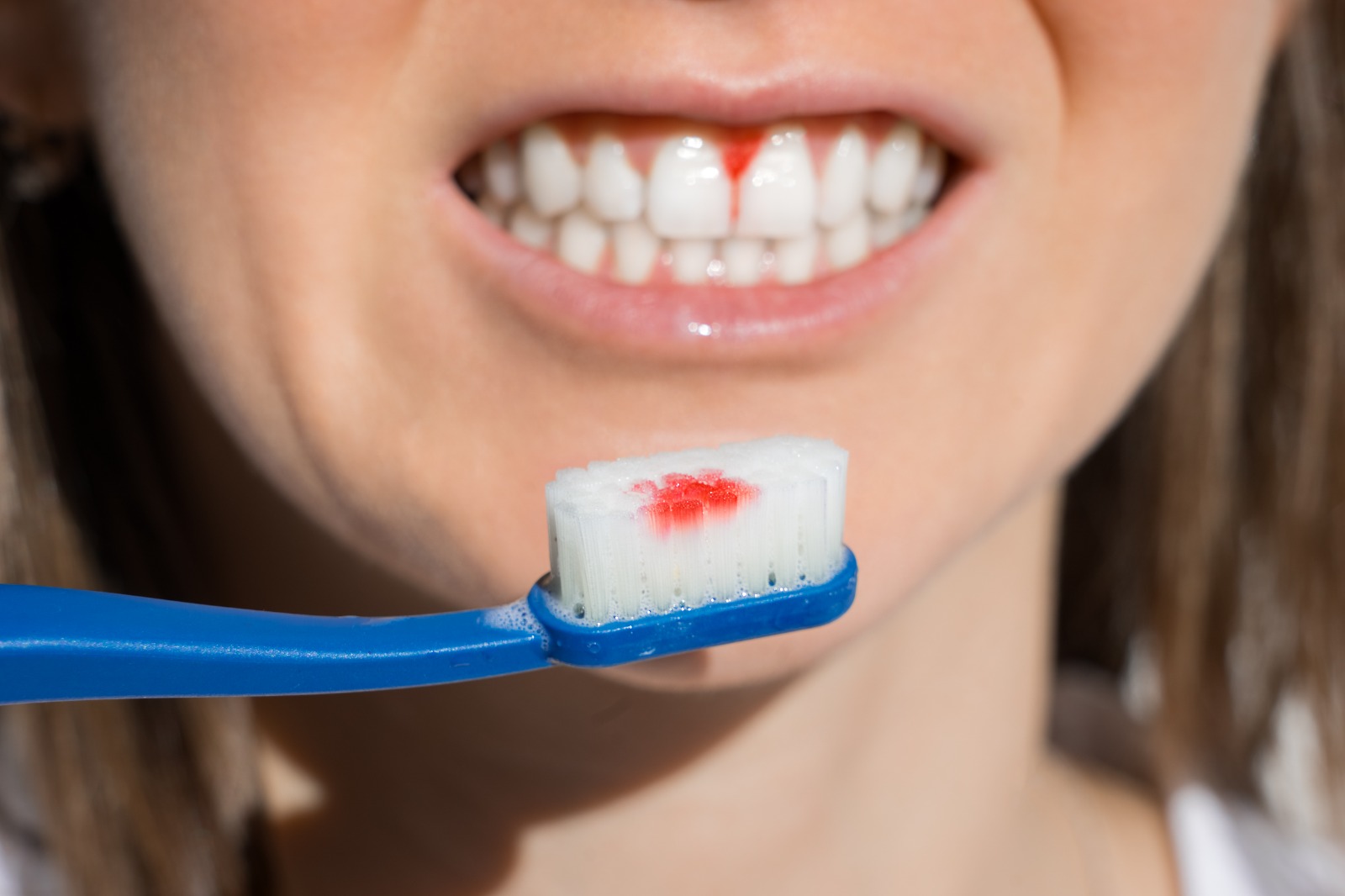
Gum bleeding, which is usually not taken very seriously, rarely develops due to conditions such as platelet deficiency or leukemia, but is commonly due to improper care practices or vitamin deficiency. Bleeding gums, which can cause functional defects due to pain or soreness, can also create aesthetic problems that will cause you to hide your smile in daily life. In order to treat bleeding gums, the underlying causes must first be identified.
Bleedings Gums

What is Bleeding Gum?

Bleeding gums usually occur when bacterial plaque accumulates on the palate. Bacterial plaque on the palate causes the gums to become inflamed and start bleeding. If gingivitis is not treated, the quality of life decreases. In addition, if the inflammation progresses, jawbone diseases (periodontitis) may occur. Significant bleeding during brushing or bloody saliva are the most common symptoms of bleeding gums. This bleeding is accompanied by sensitivity in the mouth. Tingling is felt when consuming hot and cold drinks or food. In addition to all these, symptoms such as red gum color and swelling can also be seen. In addition, the prostheses of patients who use dentures can squeeze their gums excessively.

Causes of Bleeding Gums

Rough brushing, improper flossing and similar improper care practices can cause bleeding gums. However, vitamin C deficiency and some underlying diseases are also known to cause bleeding gums. It is possible to list the most common causes of bleeding gums as follows:
  • Plaque accumulation in the gums and inflammation due to these plaques,
  • Blood thinners,
  • Changing the oral care products used regularly,
  • Hormonal changes due to pregnancy,
  • Pressure on the wrong parts of the gums due to improper chewing of food,
  • Not brushing teeth regularly or disrupting daily care routines,
  • Deficiency of vitamins such as C and K,
  • An unhealthy diet with excessive consumption of processed foods,
  • The emergence of vascular health problems due to stress and weakened immune system,
  • Smoking.
Eliminating all these factors that cause bleeding gums will help to alleviate and completely eliminate bleeding gums. In this process, the underlying causes of bleeding gums should be determined by a specialist physician and the treatment process should be planned for these causes.
Bleedings Gums

Treatment of Bleeding Gums

The first step in the treatment of bleeding gums is an individual effort. In other words, regular and proper oral and dental care constitutes the first step of the treatment. Therefore, daily care routines should not be disrupted and regular dental examinations should be performed twice a year. The factors that patients should pay attention to during the treatment process to prevent bleeding gums are as follows:
  • Proper brushing of the teeth,
  • Flossing to minimize the formation of dental plaque,
  • Using antiseptic mouthwash or gargling with warm and salty water to prevent bacterial formation and infections in the mouth,
  • Use a soft-tipped toothbrush,
  • Use an electric toothbrush if possible.
In addition to all these, a number of medications may be prescribed by the physician to prevent inflammation in the gums. Regular use of the prescribed medications and strict adherence to the above listed factors will help prevent bleeding gums. Since not treating bleeding gums will cause more serious health problems, it is useful to see a specialist physician without wasting time!